
I will try to keep this short and sweet. I have a fairly new to me cat D6H that has had a 3306 PC engine put in it at some point in time. It has about 50 hrs on an in frame and rebuilt head. I finished a job with it about a month ago and it seemed to be running fine. This morning I went to move it to another job. I evidently had not turned off the master switch and the 2 month old batteries were completely dead. Jacked around with jumper cables for a little while... weren't gaining much. So took the batteries out and brought them home and put them on chargers for a few hours. Also noticed an end on the negative cable going to the master switch was a little loose. Put a new end on the cable and put the batteries back in the machine. When I would turn the key to start it would make about 1 slow revolution. Only tried it twice. The guy helping me noticed when I let off the key the engine would kick back a little. We are thinking it is acting like it's hydro locked. My next move was to pull the glow plugs and turn it over by hand and see if anything comes out of the glow plug holes. My question is... Am I on the right track or is there something else I should try first? TIA

-
Thank you for visiting HeavyEquipmentForums.com! Our objective is to provide industry professionals a place to gather to exchange questions, answers and ideas. We welcome you to register using the "Register" icon at the top of the page. We'd appreciate any help you can offer in spreading the word of our new site. The more members that join, the bigger resource for all to enjoy. Thank you!
You are using an out of date browser. It may not display this or other websites correctly.
You should upgrade or use an alternative browser.
You should upgrade or use an alternative browser.
Cat 3306 PC Question
- Thread starter bam1968
- Start date

Coaldust
Senior Member
- Joined
- May 9, 2011
- Messages
- 6,072
- Location
- Subarctic Backwoods Trailer Park
- Occupation
- Big trucks is what I know. HAZMAT is what I tow.
I guess to be on the safe side, the glow plugs are easy to remove. But, it sounds like it already made a full revolution.
Was there a chance those dead batteries froze? They might be done.
Was there a chance those dead batteries froze? They might be done.
Yes it has made a full revolution or two. I don't know how much of a parasitic draw it has. If it is alot then yes they could have froze. When I was running it I left the master switch on overnight a few times and it didn't seem to affect it starting the next morning. Some of those morning were pretty cold. They both load tested good after I charged them this afternoon. But I tested them within a couple mins of pulling the chargers off so that might not have been a real accurate test??
Coaldust
Senior Member
- Joined
- May 9, 2011
- Messages
- 6,072
- Location
- Subarctic Backwoods Trailer Park
- Occupation
- Big trucks is what I know. HAZMAT is what I tow.
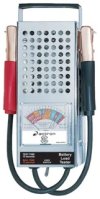
What did you load test with?
Coaldust
Senior Member
- Joined
- May 9, 2011
- Messages
- 6,072
- Location
- Subarctic Backwoods Trailer Park
- Occupation
- Big trucks is what I know. HAZMAT is what I tow.
Alrighty. With that fresh engine, if it was me, I’d probably pull the glow plugs and try spinning it. That won’t take very long, or cost anything. Then, report back.
This afternoon my helper went to the dozer and pulled the glow plugs. He said it turned over 5-6 times before the batteries gave up. He said nothing came out of the glow plug holes so it looks like I dodged that bullet of being hydro locked. This evening I took over a small generator and hooked up a couple battery chargers. IIRC that generator will run about 6 hours on a tank of fuel. If it won't spin over in the morning I will prob go get a new set of batteries.

James Sorochan
Senior Member
- Joined
- Aug 1, 2020
- Messages
- 719
- Location
- Lethbridge county, Alberta, Canada
- Occupation
- x-water & sewer construction Now farmer.
Weak batteries are a pain! I was constantly charging the D7E batteries, dragging the charger out every time I started it. Just get some new ones. Life is too short.

LCA078
Senior Member
With glow plugs you should quickly be able to tell if you're batteries are shot if you have a simple volt meter. I assume you're a 24v system and if you're dropping more than a 0.5v at the battery terminal across the 24v lead with just the glow plugs on after 8-10 seconds, well, I think you'll have a hard time cranking the motor. But even then, if cranking the motor and the voltage drops below 18v, then I suspect you have have a toasted battery or even two. Sealed lead acid batteries (SLABs) don't do well when fully discharged. You can "charge" them back up to full voltage but it's only under load that you'll figure out if they're still good. Sounds like that's what's happening.
On a side note, we had a pretty healthy discussion about batteries a few weeks ago. Hopefully this might help you pick out a good set of new batts if you go that route:
@Truck Shop has some good info on where to get good batteries in post #49 and #53.
On a side note, we had a pretty healthy discussion about batteries a few weeks ago. Hopefully this might help you pick out a good set of new batts if you go that route:
@Truck Shop has some good info on where to get good batteries in post #49 and #53.
Last edited:
Coaldust
Senior Member
- Joined
- May 9, 2011
- Messages
- 6,072
- Location
- Subarctic Backwoods Trailer Park
- Occupation
- Big trucks is what I know. HAZMAT is what I tow.
You can hook your stick welder leads to it and crank it until the water boils. Like we did in the good old days. That will give you a good 32 volts.
Simon C
Senior Member
- Joined
- Jul 1, 2015
- Messages
- 3,072
- Location
- Rocky Mountain House , AB., Canada
- Occupation
- Heavy Equipment Mechanic
Poor batteries causes a slower crank,and the solenoid contacts get very hot because of the slow start.
We had a lot of problems with burn't starters on two Cat 3412 generators until we bought some Premium Heavy Duty Cat batteries. That ended the problems for us. There are other quality batteries out there, just get some decent ones and you will be ok.
Simon C
We had a lot of problems with burn't starters on two Cat 3412 generators until we bought some Premium Heavy Duty Cat batteries. That ended the problems for us. There are other quality batteries out there, just get some decent ones and you will be ok.
Simon C
LCA078
Senior Member
Simon is right about bad batteries being hard on contacts. The contacts clamping force is directly proportional to the voltage on the solenoid. So when you try to start with weak batteries, the solenoid voltage dips and the contact clamping forces gets lower which may cause a light contact force and miniature arcing, killing them quickly. If the battery is too weak and the voltage dips below solenoid drop out, the solenoid just pops open and the battery voltage quickly jumps back up only to slam the solenoid closed again in a rapid cycling of closed/open. This causes the traditional machine gun solenoid action.
When the battery/voltage is strong, the solenoid has strong contact. When the battery is weak, the solenoid breaks contact. When the battery is so-so, the solenoid is somewhat floating and arcing is prevalent in the contacts.
It's the so-so state of mediocre batteries that crushes your solenoid.
When the battery/voltage is strong, the solenoid has strong contact. When the battery is weak, the solenoid breaks contact. When the battery is so-so, the solenoid is somewhat floating and arcing is prevalent in the contacts.
It's the so-so state of mediocre batteries that crushes your solenoid.
HarleyHappy
Senior Member
Maybe that is the reason, I believe when your batteries are on the way out, if you don’t get it started on the first try, you’re done for.
Just trudge back to the shop, shuffling your feet, feeling a little disappointed with yourself and get the jump pack.
Just trudge back to the shop, shuffling your feet, feeling a little disappointed with yourself and get the jump pack.
Simon C
Senior Member
- Joined
- Jul 1, 2015
- Messages
- 3,072
- Location
- Rocky Mountain House , AB., Canada
- Occupation
- Heavy Equipment Mechanic
^^^^ Exactly how it works, or happens.Simon is right about bad batteries being hard on contacts. The contacts clamping force is directly proportional to the voltage on the solenoid. So when you try to start with weak batteries, the solenoid voltage dips and the contact clamping forces gets lower which may cause a light contact force and miniature arcing, killing them quickly. If the battery is too weak and the voltage dips below solenoid drop out, the solenoid just pops open and the battery voltage quickly jumps back up only to slam the solenoid closed again in a rapid cycling of closed/open. This causes the traditional machine gun solenoid action.
When the battery/voltage is strong, the solenoid has strong contact. When the battery is weak, the solenoid breaks contact. When the battery is so-so, the solenoid is somewhat floating and arcing is prevalent in the contacts.
It's the so-so state of mediocre batteries that crushes your solenoid.
Simon C
I agree 100%. These batteries are only 2 months old. Can't get much newer than that. I had a dr appt this morning. My helper went and put gas in the generator to let the batteries charge for a few more hours. Just before noon he called me and said it popped right off. I moved it to another job and ran it for a couple hours this afternoon. If it starts in the morning we might be good to go. I'm still a little nervous about the god awful grinding noise it was making earlier when it only had enough juice to make 1-2 revolutions. We even loosened the fan belts thinking maybe the fan bearings were seizing up. That didn't seem to make any difference. I honestly thought it was hydro locked the way it was acting. But it looks like we dodged that bullet. Thank goodness. Thanks for the replies!!Weak batteries are a pain! I was constantly charging the D7E batteries, dragging the charger out every time I started it. Just get some new ones. Life is too short.